
Safety guide · Sensitive skin
Is Dr. Melaxin Safe to Use? A Product-by-Product Safety Guide
Dr. Melaxin products contain different ingredients and are not equally suitable for every skin type. Some formulas focus on hydration, while others contain exfoliating acids or spicules that may cause irritation, especially on sensitive skin. This guide examines product-specific ingredients, possible side effects, allergy concerns, and precautions for combining products safely.
By the Dr. Melaxin Guide editorial team · Last verified 30 October 2026
This page is educational and reflects publicly available ingredient and safety information; it is not medical advice. See our medical disclaimer and talk to a dermatologist or pharmacist about your own situation, especially if you are pregnant, breastfeeding, or have a diagnosed skin condition.
⚡ Quick answer
Dr.Melaxin products are cosmetics, not medicines, and most people tolerate them when used as directed — but we haven’t verified the absence of recalls or regulatory warnings for every product. A few items need extra care: retinal/retinol products and arbutin products in pregnancy, the Peel Shot’s undisclosed acid strength, and spicule products combined with other actives. Side effects are usually stinging, redness, dryness or breakouts, and they come mostly from the acid exfoliants (Peel Shot, body spray), spicule products (Eyephalt, Pink Spicule) and rich creams on oily skin. Sensitive skin should start with the balm stick, patch test everything, and never use two exfoliants on the same night. This page is educational, not medical advice — see a dermatologist or pharmacist for guidance specific to you.
| Product | Irritation risk | Why |
|---|---|---|
| Calcium Multi Balm Stick | Low | No exfoliating acids at notable levels; contains citric and ascorbic acid plus nut-derived ingredients (see allergy note) |
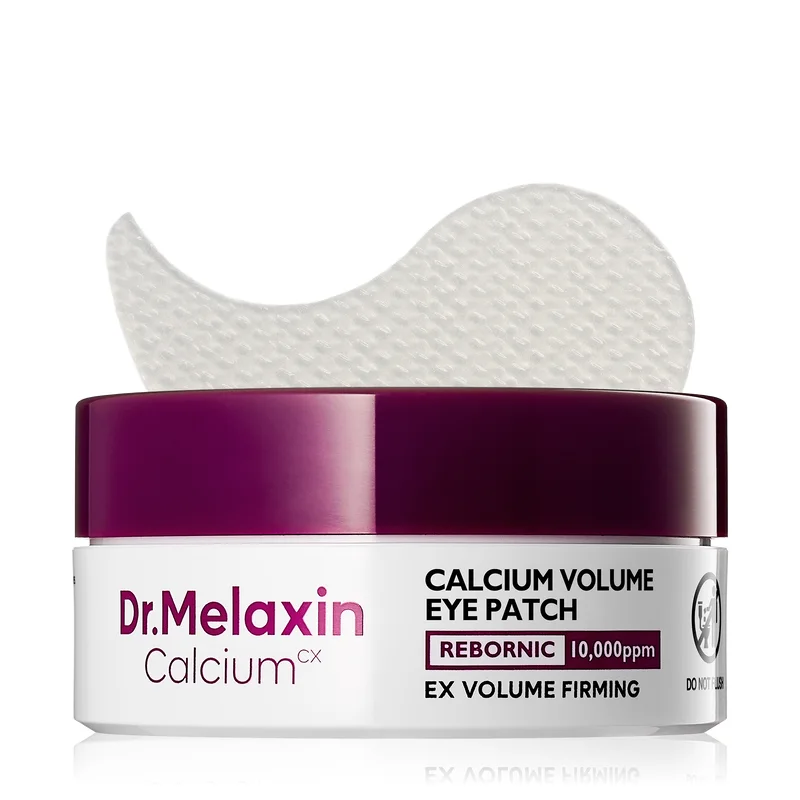
| Calcium Volume Eye Patch | Not independently verified | We haven’t found a published full INCI for this product — can’t confirm it’s fragrance- or preservative-free |
| TX Cream | Low to medium | Gentle actives; rich base can clog oily skin; contains shea butter and chamomile extract |
| Dark Spot Cover Eye Cream | Low to medium | Pigments, silicones, sweet almond extract, BHT |
| Eyephalt Eyebag Cream | Medium | Tightening film, spicules, citric acid |
| Eyephalt Retinol | Medium to high | Contains retinol — avoid in pregnancy, use at night with sunscreen, no same-night acids |
| TX Retinalsome Eye Cream | Medium to high | Contains retinal (a retinoid) — avoid in pregnancy, night use only, no same-night acids |
| Peel Shot ampoules (Black Rice / White Rice) | Medium to high | BHA/PHA exfoliating acids; retailer-listed INCI also shows isopropyl alcohol and fragrance — rinse off, don’t leave on |
| Peel Shot TX-Serum | Medium to high | Retailer-listed INCI shows fragrance, isopropyl alcohol and glycolic acid |
| Peel Shot TX-Spray | Medium to high | Similar acid/fragrance profile to the ampoules — check the product’s own label before body use |
| TX Peeling Toner | Medium | Exfoliating acids — treat like the Peel Shot for frequency and layering |
| Pink Spicule Serum | Medium | Hydrolyzed sponge spicules increase penetration of other actives; avoid combining with acids or retinoids the same night |
| BP Spicule lip shot | Medium | Same spicule caution as above, on a thinner-skin area |
| Picotonic ampoule | Medium | Contains alpha-arbutin — ask a clinician before use in pregnancy |
| BP Pore exfoliating pads | Medium | Exfoliating acids — don’t stack with the Peel Shot or other acid products the same night |
| Kojic Acid Turmeric Body Spray | Medium | AHA, PHA and kojic acid; kojic acid has regional concentration limits in some markets — check the label |
| Kojic Acid Turmeric serum and pads | Medium | Same kojic acid caution as the body spray |
Side effects
Common Dr. Melaxin side effects, and what to do
| What you notice | Likely cause | What to do |
|---|---|---|
| Brief tingling or prickling after applying | Spicules are designed to create this sensation; mild tingling from acids can be normal | Fades quickly and isn’t a sign the product is “working” — stinging that lasts is irritation, not efficacy |
| Stinging that lasts, redness, burning | Too strong or used too often | Rinse off, stop for a few days, restart less often |
| Dry, tight or flaky patches | Over-exfoliation | Pause acids, use a plain moisturizer |
| Small bumps or breakouts | Rich creams on oily skin, or purging from acids | Stop heavy creams; if bumps last over 4 weeks, stop the product |
| Itchy rash, swelling | Possible allergy | Stop and see a doctor or pharmacist |
Any reaction near the eyes, swelling of the face or lips, or blistering is a reason to stop immediately and get medical advice.
Sensitive skin
Using Dr. Melaxin with sensitive skin
- Patch test first. Apply a small amount behind the ear or on the jawline once a day for 3 to 5 days.
- Start gentle. The balm stick and eye patches are the easiest starting points.
- Introduce one product at a time, at least a week apart, so you know what caused any reaction.
- Go slow with acids. The Peel Shot is a rinse-off product — massage it on, avoiding the eye area, then rinse thoroughly. Start with once or twice a week (some retailers suggest up to 2–3 times weekly; we’d rather you start low) and rinse off immediately if it stings or burns, not after a set time.
- Skip broken skin. Don’t use exfoliants or spicule products on cuts, sunburn or active eczema.
If you have rosacea, be careful with acid exfoliants (Eyephalt, the Peel Shot range, TX Peeling Toner, BP Pore pads) and with spicule products (Pink Spicule Serum, BP Spicule lip shot) — both are commonly flagged for rosacea-prone and reactive skin. Introduce one product at a time and stop at the first sign of flushing or stinging.
Mixing
What not to mix with Dr. Melaxin products
| Combination | Safe? | Notes |
|---|---|---|
| Peel Shot + retinol or retinal, same night | Avoid | Use on alternate nights |
| Peel Shot + another acid toner or pads | Avoid | Too much exfoliation at once |
| Peel Shot + vitamin C serum | Separate them | Vitamin C in the morning, Peel Shot at night |
| TX Cream + Peel Shot | Yes | Peel Shot first, then TX Cream |
| TX Cream + niacinamide serum | Yes | Fine together |
| Spicule products + acids | Avoid | Both increase sensitivity |
| Any exfoliant + daily SPF | Essential | AHAs and retinoids increase sun sensitivity; salicylic acid (BHA) doesn’t appear to, but sunscreen is still advised with any exfoliant |
For the right order of every product, see our Dr. Melaxin routine order guide.
Special cases
Pregnancy, teens and other special cases
- Pregnancy and breastfeeding: this needs product-by-product care, not a blanket answer — see the pregnancy and breastfeeding table further down this page before using any Dr.Melaxin product. The brand itself also advises checking with a doctor.
- Teens: the balm stick and gentle hydrating products are fine; strong exfoliants are rarely needed for young skin.
- Allergies: sweet almond extract appears in the Dark Spot Cover Eye Cream, Pink Spicule Serum, Calcium Bonding Serum and the Calcium Multi Balm; TX Cream lists shea butter and chamomile extract; the Peel Shot range lists fragrance; and the Dark Spot Cover Eye Cream lists BHT. Always read the full ingredient list if you have known allergies — see the allergen table below.
- After procedures: wait until your skin has fully healed after peels, lasers or microneedling, and ask your practitioner first.
Counterfeits are a safety risk too, as their ingredients are unknown. Check your product with our real vs fake guide.
Pregnancy and Breastfeeding: Product by Product
General guidance commonly cited by sources such as the NHS and ACOG advises avoiding retinoids — including topical retinol and retinal — during pregnancy. Low-concentration topical salicylic acid (around 2% or less) is generally considered acceptable, while peels and high doses are avoided; the Peel Shot’s salicylic acid percentage isn’t disclosed, so we can’t say it falls under that threshold. Hydroquinone is also commonly advised against in pregnancy, which is relevant to arbutin and alpha-arbutin as related brightening ingredients. None of this is a substitute for advice from your own doctor or midwife, who can weigh your specific situation.
| Product | Pregnancy / breastfeeding guidance |
|---|---|
| TX Retinalsome Eye Cream, Eyephalt Retinol | Avoid unless your clinician says otherwise — contains a retinoid (retinal or retinol) |
| Peel Shot ampoules, TX-Serum, TX-Spray, TX Peeling Toner, BP Pore pads | Concentration undisclosed — ask your clinician before use; don’t assume it’s below the low-dose threshold |
| Picotonic ampoule | Contains alpha-arbutin — ask your clinician, given general caution around hydroquinone-related brightening ingredients |
| Pink Spicule Serum, BP Spicule lip shot, Eyephalt Eyebag Cream (spicule-based) | Ask your clinician first — spicules increase penetration of whatever else is in your routine |
| Calcium Multi Balm Stick, Calcium Volume Eye Patch, TX Cream, Dark Spot Cover Eye Cream | No retinoids or disclosed high-strength acids identified; still mention your full routine to your doctor or midwife |
Breastfeeding guidance generally mirrors pregnancy guidance for topical retinoids and high-dose acids — check with your doctor, midwife or pharmacist before using any of the products above while nursing.
Allergen Table: What’s in Each Product
This isn’t a full INCI list for every product — it flags the allergens we could confirm from retailer-listed ingredients, so you know what to check for if you have a known sensitivity.
| Product | Allergens / notable ingredients to check |
|---|---|
| Dark Spot Cover Eye Cream | Sweet almond extract, BHT |
| Pink Spicule Serum | Sweet almond extract |
| Calcium Bonding Serum | Sweet almond extract |
| Calcium Multi Balm Stick | Sweet almond extract, macadamia oil, citric acid, ascorbic acid |
| TX Cream | Shea butter, chamomile extract |
| Peel Shot range (ampoules, TX-Serum, TX-Spray) | Fragrance (parfum), isopropyl alcohol |
If you have tree-nut allergies, note the sweet almond extract and macadamia oil above. If you’re fragrance- or alcohol-sensitive, the Peel Shot range is worth checking closely before use.
What Spicule Products Actually Do
Spicules (sometimes made from hydrolyzed sponge) are tiny, needle-like structures designed to create micro-channels in the skin’s surface, which produces mild exfoliation and a prickly sensation by design — that sensation is not, by itself, a sign of results. Because spicules increase penetration of whatever else is in a routine, dermatologists commonly advise against combining spicule products with retinoids or other chemical exfoliants on the same night, and against using them on inflamed or cystic acne, or on rosacea-prone skin. An ingredient-database check we did lists spicule irritation potential as medium, not low.
Reactions People Report
We haven’t compiled a verified set of linked reviewer reports for this page yet. Based on retailer reviews and community discussion we’ve seen referenced, the pattern of complaints lines up with the side-effects table above: temporary stinging or tingling, redness, dryness, and occasional breakouts, most often tied to the acid exfoliants and spicule products. We’re cautious about citing specific third-party “review” posts, since several that turn up in search results for this brand read as low-quality or auto-generated content rather than genuine reports — we’d rather point you to primary ingredient information than repeat those.
How to Report a Reaction
- Stop using the product and rinse the area with water.
- Contact the brand directly with the product name and batch code.
- In the US, you can report a cosmetic-related reaction to the FDA through MedWatch / the FDA’s cosmetic complaint process; outside the US, report to your national regulator.
- Keep the product and its packaging in case it’s needed for follow-up.
Emergency Symptoms
Trouble breathing, rapid swelling of the face, lips or throat, or a widespread rash with dizziness needs emergency care right away — don’t wait to see if it improves.
Peel Shot: Where to Use It, and Where Not To
The brand’s own directions say to massage the Peel Shot over the face, avoiding the eye area, and rinse thoroughly — it is not a leave-on product. Some retailer listings describe body use as well as face use; if you’re using it on the body, check that specific product’s own label, since formulations and instructions can differ from the facial ampoules.
Why We Don’t Recommend Daily Use
Community discussion around this product shows a range of usage patterns, including some people using it daily. We don’t recommend that: starting at a lower frequency (a few times a week) and watching how your skin responds over a couple of weeks is the more cautious approach, especially since the product’s acid concentration isn’t disclosed. You can always increase frequency later if your skin tolerates it well.
Retinal and Retinol Products: How to Use Them
TX Retinalsome Eye Cream and Eyephalt Retinol both contain a retinoid. General guidance for this ingredient class: use at night only, apply sunscreen the following morning without exception, and don’t layer other acids (like the Peel Shot) on the same night — alternate nights instead. Avoid in pregnancy and breastfeeding (see the table above) unless your clinician says otherwise.
A Note on Skin Tone and Post-Inflammatory Marks
On some skin tones, irritation from over-exfoliation or a reaction can leave temporary dark marks (post-inflammatory hyperpigmentation) that take longer to fade than the irritation itself. This is a reason to introduce acids and spicule products slowly and to stop at the first sign of lasting redness or irritation, rather than pushing through it.
When to Stop and See a Professional
- A reaction or breakout that hasn’t improved after about 4 weeks of stopping the product.
- Stinging, burning or redness that lasts beyond the first few minutes, repeatedly.
- Any rash that spreads, blisters, or is accompanied by swelling.
- You’re pregnant, breastfeeding, or have a diagnosed skin condition (rosacea, eczema, dermatitis) and are unsure whether a product is appropriate.
On Brand Safety Claims
Some retailer listings for Dr.Melaxin products cite brand-run testing, such as a low “irritation index.” These are tests the brand or its lab commissioned, not independent regulatory findings — testing for low irritation in a study doesn’t mean no irritation for everyone, and “hypoallergenic” isn’t a regulated guarantee in most markets. We also haven’t independently checked the FDA, EU Safety Gate or Korea’s MFDS databases for recalls or safety communications on this brand, so we’re not stating there are none.
Brand’s Own Cautions
Korean retailer listings for Dr.Melaxin products commonly carry the brand’s standard cautions: don’t use on broken skin or open wounds, consult a specialist if redness, swelling or itching occurs, and protect treated skin from direct sunlight. We’re paraphrasing these from retailer listings rather than a single brand safety page, so check the packaging or listing for the specific product you own.
For more on specific products, see our Collagen Boost Set review and is Dr. Melaxin legit guide, and check our routine order guide for the spicule-and-acid rule above applied to a full routine.
Conclusion
Final thoughts: safe for most, if you respect the acids
Most Dr.Melaxin products are gentle everyday cosmetics. Problems usually come from overusing the exfoliants, stacking actives, or rich creams on oily skin.
Patch test, add one product at a time, keep acids to a few nights a week, and wear sunscreen daily. Stop any product that keeps stinging or causes a rash.
FAQ
Frequently Asked Questions
Keep reading
Related Dr. Melaxin guides
Where each product goes, morning and night.
How often to use the strongest product.
Fakes are a safety risk too.